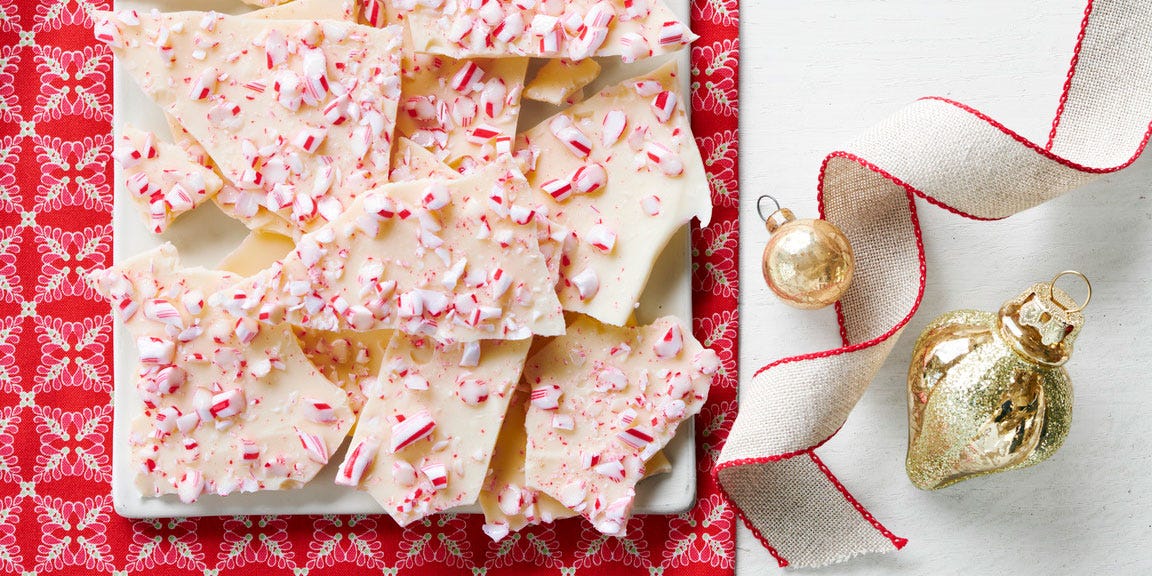
Unlocking the Magic of Homemade Peppermint Bark: Your Ultimate Recipe Guide
The holidays wouldn't be complete without the refreshing crunch and decadent sweetness of peppermint bark. This iconic treat, with its distinct layers of rich chocolate and vibrant peppermint, evokes warmth, joy, and festive cheer. While readily available in stores, there's an unparalleled satisfaction and superior flavor that comes from making your own. Imagine the aroma filling your kitchen, the control over the quality of ingredients, and the sheer delight of gifting a homemade batch. This comprehensive guide will walk you through every step of creating the perfect peppermint bark recipe, ensuring your holiday season is filled with delicious, handcrafted goodness.Why Making Your Own Peppermint Bark is a Holiday Game-Changer
Ditching the store-bought versions for a homemade batch of peppermint bark offers several compelling advantages:- Superior Flavor and Freshness: When you make it yourself, you control the quality of the chocolate and the intensity of the peppermint. Freshly crushed candy canes and premium chocolate make an enormous difference in taste.
- Customization to Your Palate: Prefer dark chocolate? Want a milder or stronger peppermint kick? Homemade allows you to adjust ingredients to your exact preference. You can even experiment with different types of chocolate or extracts.
- Cost-Effective Gifting: Peppermint bark can be quite expensive in specialty stores. Crafting it at home is often much more economical, especially if you plan on making multiple batches for friends, family, and neighbors.
- A Fun Holiday Tradition: Involving family members, especially children, in the process of crushing candy canes and spreading chocolate can create cherished holiday memories and traditions.
- No Unwanted Additives: You know exactly what goes into your bark, avoiding unnecessary preservatives, artificial flavors, or questionable oils often found in mass-produced versions.
The Essential Ingredients for Perfect Peppermint Bark
Crafting exceptional peppermint bark starts with selecting the right ingredients. Quality truly matters here, as each component contributes significantly to the final taste and texture.- High-Quality Chocolate (Dark and White):
- For the Dark Layer: Opt for a good quality dark or semi-sweet chocolate with a cocoa content between 60-75%. Baking bars or callets (wafers) are ideal because they melt smoothly and contain less stabilizers than chocolate chips, which are designed to hold their shape. Brands like Ghirardelli, Lindt, or Callebaut are excellent choices.
- For the White Layer: This is where many go wrong. True white chocolate contains cocoa butter, sugar, and milk solids. Avoid "white confectionery coating" or "compound chocolate," which often use palm oil or other vegetable fats instead of cocoa butter. Look for white chocolate baking bars or callets that list cocoa butter as a primary ingredient for a creamy, smooth texture and rich flavor.
- Pure Peppermint Extract: This is crucial for that distinct minty flavor. Ensure you use "pure peppermint extract" rather than "mint extract," which can sometimes have a spearmint flavor profile. Start with a small amount and add more to taste, as potency can vary.
- Peppermint Candies (Candy Canes or Starlight Mints): The crunchy star of the show! Candy canes are traditional, but starlight mints or even unwrapped soft peppermints work just as well. You'll need about 10-15 standard candy canes for a good amount of crunch.
Step-by-Step Guide to the Ultimate Peppermint Bark Recipe
Creating homemade peppermint bark is a surprisingly simple process, but precision in melting and layering will yield the best results. Follow these steps for a flawless batch.1. Prepare Your Peppermint Crumbles
Unwrap your candy canes or peppermint candies. Place them in a sturdy freezer bag (or two bags, one inside the other for extra protection) and crush them using a rolling pin, meat tenderizer, or the bottom of a heavy pan. Aim for a mix of fine dust and small irregular pieces for varied texture. Set aside about ¼ cup of finer dust for a beautiful finish, and keep the rest of the crushed candy separate.
2. Set Up Your Baking Sheet
Line a large baking sheet (approximately 10x15 inches or similar) with parchment paper or a silicone baking mat. This will prevent sticking and make it easy to remove the finished bark.
3. Melt the Dark Chocolate Layer
- Double Boiler Method (Recommended): Chop your dark chocolate into small, uniform pieces. Place them in a heatproof bowl set over a saucepan of simmering water, ensuring the bottom of the bowl does not touch the water. Stir constantly until the chocolate is smooth and fully melted. Remove from heat immediately.
- Microwave Method: Place chopped dark chocolate in a microwave-safe bowl. Microwave on 50% power in 30-second intervals, stirring thoroughly after each interval, until melted and smooth. Be careful not to overheat, as chocolate can burn quickly.
Pour the melted dark chocolate onto the prepared baking sheet. Using an offset spatula or the back of a spoon, spread it into an even, thin layer, about ⅛ to ¼ inch thick. Tap the pan gently on the counter a few times to release any air bubbles. Let it set at room temperature for about 30-60 minutes, or refrigerate for 10-15 minutes, until firm to the touch but still slightly pliable. Avoid over-chilling, as it can cause separation.
4. Melt and Flavor the White Chocolate Layer
Chop your white chocolate into small pieces. Melt it using either the double boiler or microwave method, similar to the dark chocolate. Once melted and smooth, stir in 1 teaspoon of pure peppermint extract. Taste and add another ½ teaspoon if you desire a stronger mint flavor. Remember, a little goes a long way with extract.
5. Layer and Top Your Bark
Pour the melted white chocolate over the now-firm dark chocolate layer. Quickly and evenly spread the white chocolate across the dark layer using an offset spatula. While the white chocolate is still wet, generously sprinkle the crushed peppermint candies over the entire surface. Gently press them down with your hand to ensure they adhere. If you saved some finer dust, sprinkle it lightly for an extra pop of color and texture. For another delicious twist or if you're looking for variations, check out this alternative peppermint bark recipe.
6. Chill and Break
Carefully transfer the baking sheet to the refrigerator and chill for at least 1-2 hours, or until the bark is completely firm and snaps easily. Once firm, remove from the refrigerator and peel off the parchment paper. Break the bark into irregular pieces of various sizes. This rustic look is part of its charm!
Tips for Success and Variations
To ensure your peppermint bark is always a showstopper, keep these tips in mind:- Temperature Control: Chocolate is sensitive to heat. Melt it slowly and avoid overheating, which can cause it to seize (become lumpy and thick) or burn. A food thermometer can be helpful; aim for about 105-115°F (40-46°C) for dark chocolate and 95-100°F (35-38°C) for white chocolate.
- Avoid Water: Even a tiny drop of water can cause chocolate to seize. Ensure your bowls and spatulas are completely dry before melting chocolate.
- Don't Over-Chill: While chilling helps the bark set, leaving it in the refrigerator for too long can sometimes lead to "sugar bloom" (a grayish dullness) or "fat bloom" (white streaks) on the chocolate surface, though this is mostly cosmetic.
- Storage: Store your peppermint bark in an airtight container at cool room temperature (around 65-70°F or 18-21°C) for up to 2-3 weeks, or in the refrigerator for longer freshness. If storing in the fridge, let it come to room temperature for a few minutes before serving for optimal flavor and texture.
- Gifting Ideas: Package pieces of bark in cellophane bags tied with festive ribbons, or arrange them in decorative tins for a beautiful homemade gift.
- Creative Variations:
- Milk Chocolate Layer: Swap the dark chocolate for milk chocolate if you prefer a sweeter, creamier base.
- Other Extracts: Experiment with almond extract for an almond-peppermint bark, or a hint of orange extract for a citrusy twist.
- Topping Alternatives: Instead of or in addition to crushed peppermints, try adding a sprinkle of sea salt, mini chocolate chips, or even some festive sprinkles.
- Swirled Bark: Instead of distinct layers, gently swirl the melted white and dark chocolate together with a skewer before adding the peppermint for a marbled effect.
Conclusion
Making your own peppermint bark is more than just following a recipe; it's an experience that brings joy, creativity, and incredible flavor to your holiday season. From the careful selection of quality ingredients to the satisfying snap of each homemade piece, you'll discover why this classic treat is so beloved. This comprehensive peppermint bark recipe empowers you to create a personalized, delicious, and impressive confection that's perfect for gifting, sharing, or simply indulging in yourself. So, gather your ingredients, put on some festive tunes, and embark on your journey to homemade peppermint bark perfection!
